In our studio, every Mokume Gane piece begins with a conversation between metals. Each layer brings its own voice – in color, texture, and strength –and together they create the flowing, woodgrain-like patterns that make this ancient Japanese technique so captivating.
Mokume Gane, born in the 17th century by master craftsman Denbei Shoami to adorn samurai swords, was originally limited to two primary alloys: shakudō (copper-gold), and shibuichi (copper – silver). As Mokume Gane has found new life in jewelry, modern artisans have expanded the palette, and the “conversation” between metals, to include a variety of pure metals and alloys. What each artisan uses is unique to their practice. We choose to incorporate yellow gold, red gold, white gold, silver, palladium and platinum options in our various designs. These metals not only honor the craft’s origin, but also meet the durability and aesthetic needs of modern wearers.
Here’s a closer look at the metals we work with, and why we choose them.
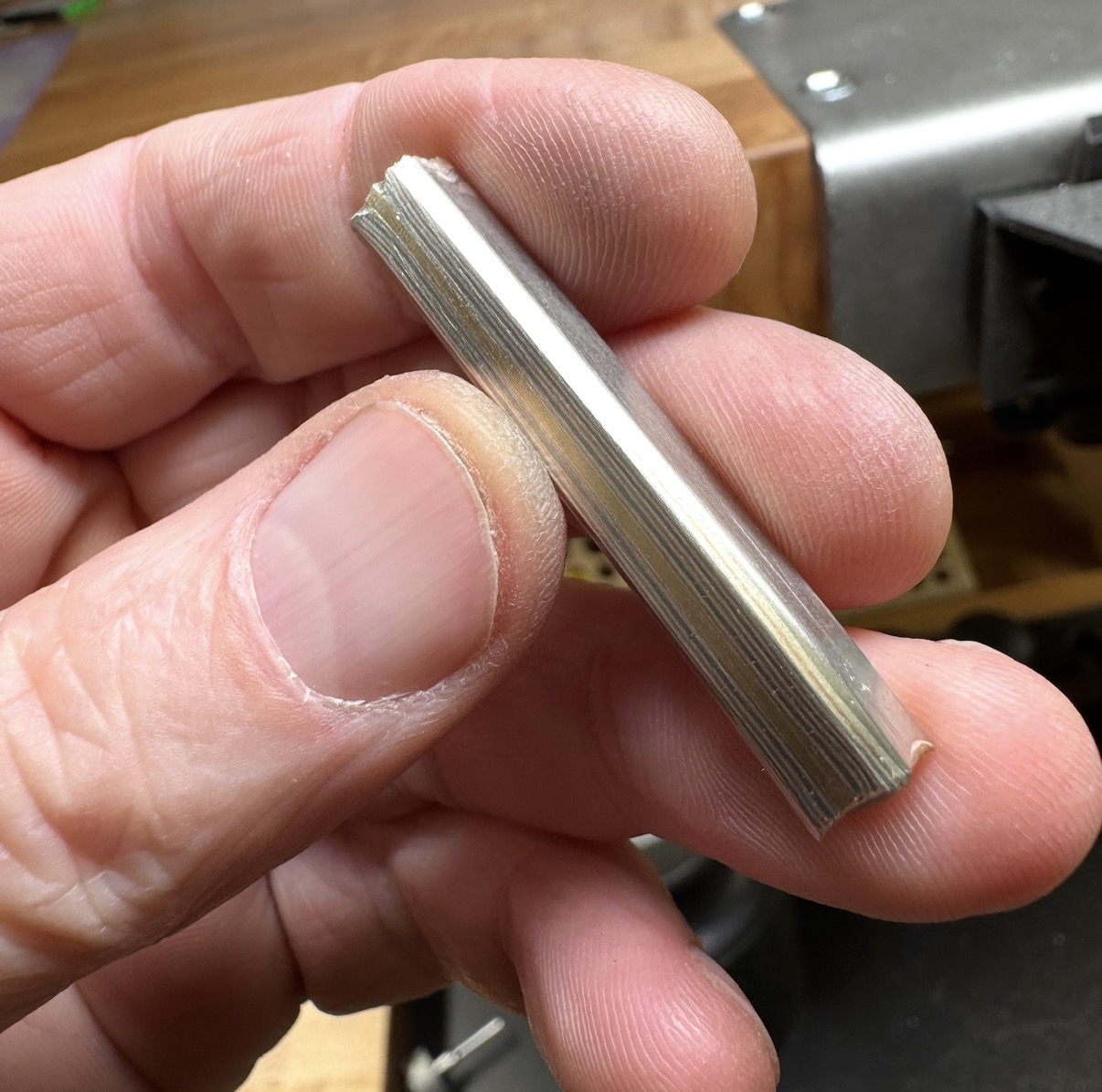
Yellow Gold – The Classic Glow of Tradition
Historically, gold was a symbol of prestige in Japan, used sparingly in sword fittings to highlight patterns. For us, yellow gold is the classic storyteller in our palette. Its rich, sunlit hue adds warmth to the pattern, pairing in striking contrast to the cooler hued metals. High karat alloys have a richer darker yellow while lower karat alloys tend to be lighter and can have an orange tint. Beyond its beauty and value, yellow gold is highly resistant to tarnish, ensuring your Mokume Gane jewelry retains its glow for generations.
Red Gold – The Echo of Shakudō with Contemporary Romance
While red gold wasn’t part of early Mokume Gane, its copper-rich blush recalls the warmth of shakudō alloys. Its color ranges from soft pink to deep sunset, depending on the copper content, and it is slightly harder than yellow gold. Higher karat alloys are lighter red while lower carat alloys are redder with a higher copper content. Layers of rose gold often create delicate, almost watercolor-like transitions between layers; bridging the warm and cool tones and creating a softer, more romantic flow in the pattern. The organic transitions with red gold patterns feel both timeless and contemporary.
White Gold – The Modern Whisper of Warmth
Where yellow and red golds sing with warmth, white gold hums in a softer register– a light, luminous tone that feels understated and elegant. Composed of yellow gold alloyed with palladium, platinum or nickel, white gold ranges in color from creamy yellow to crisp white, with higher karat alloys showing warm yellow undertones, and lower karat alloys appearing more cool and reflective. White gold’s beauty lies in its restraint. When fused with warmer metals, it creates a dialogue of light and shadow that aligns with Mokume Gane’s tradition of contrast and detail. When fused with cooler toned metals like platinum and silver, white gold’s subtle warmth provides just enough variance to highlight the design while maintaining a sleek, minimalistic look. In our studio we only use the palladium based white golds and never nickel as it is banned in the EU and carries a higher risk of an allergic reaction as well as having inferior working characteristics.
Silver – The Bright, Fluid Canvas
Silver has deep roots in Mokume Gane’s history through shibuichi alloys. Silver is the whitest metal and in its sterling form, it brings unmatched brightness and reflectivity to modern designs. Silver’s ductility allows for intricate, fine-grained patterns which can add depth and interest to a piece as well as enhancing contrast. It pairs well with all metals and allows for a bright white contrast as well as an oxidized black with striking contrast.
Palladium – The Crisp, Modern Edge
Palladium is a 20th century addition to Mokume Gane. It is part of the platinum family, but lighter in weight. With a cool medium gray tone, palladium offers a sleek, modern contrast to traditional golds and silvers. Highly tarnish resistant and hypoallergenic, palladium defines crisp, clean lines in patterns, giving them a contemporary sophistication while maintaining the craft’s layered depth.
Platinum – The Enduring Foundation, Elegance for Ages
Platinum is the quiet powerhouse of our metal combinations. Also a 20th century addition to the art of Mokume Gane, platinum’s density and resistance to wear or tarnish make it ideal for wedding bands and heirloom pieces that will be worn daily. Its soft, light gray tone adds depth without overpowering other metals. The inclusion of platinum grounds a design with a sense of permanence, while allowing brighter metals to shine.
A Balanced Conversation – The Art of Combining Metals
In Mokume Gane, no single metal dominates–the magic lies in the interplay. Warm and cool tones, bright and muted shades, soft and strong layers all work together. The metals we choose to work with honor the visual drama of traditional Japanese alloys, while embracing the durability and versatility of modern metallurgy.
Each custom ring is unique, and understanding the metals in each pattern can help you decide which is right for you. Below is a quick reference guide to the metals we currently use. You may want to refer to this as you browse our patterns. If you have any questions, or would like to discuss a custom Mokume Gane ring, we’d love to hear from you. Contact us through the link on this site, or email us at info@arnkrebsmokume.com!
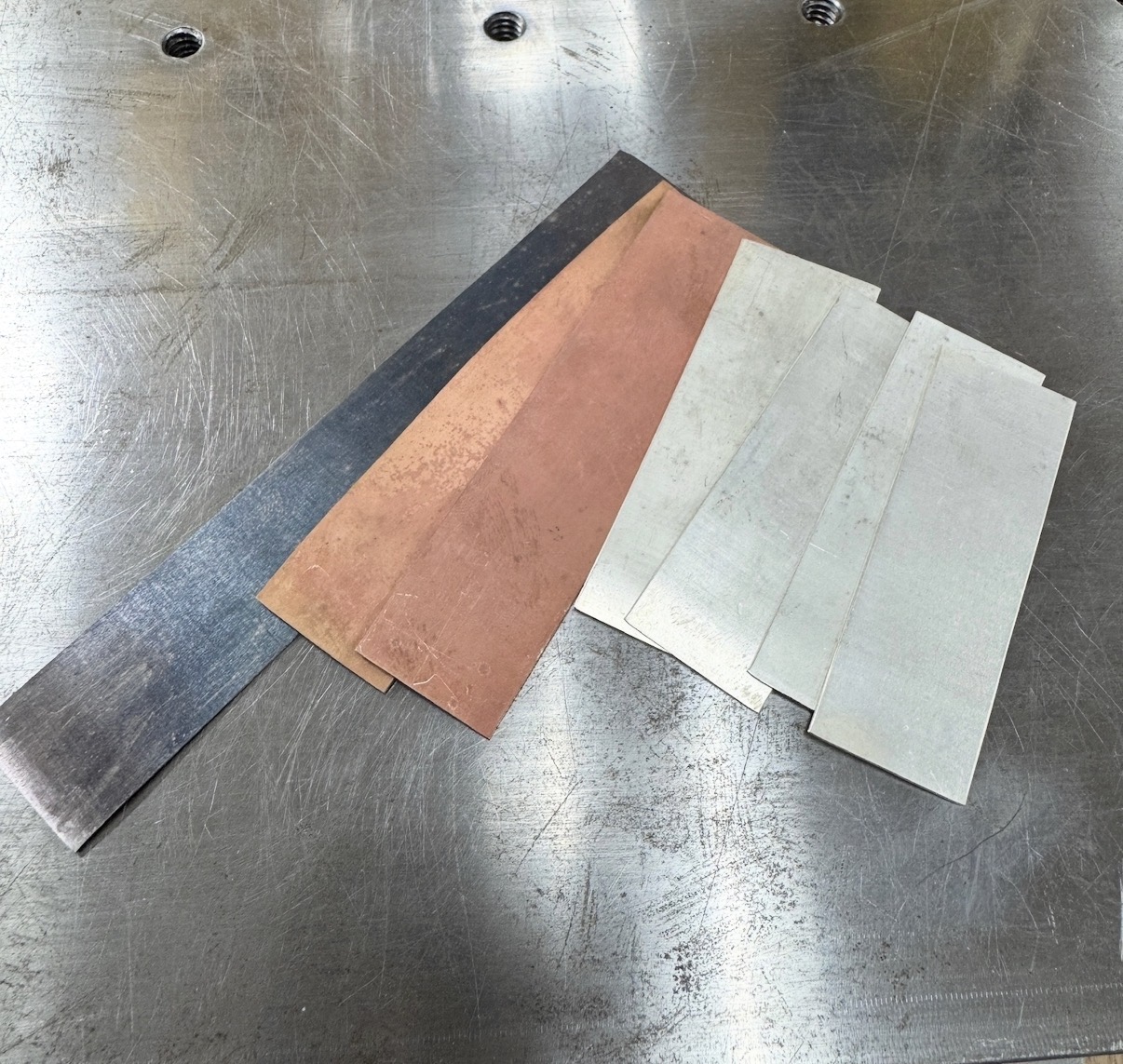
Quick Reference to Metals in Arn Krebs Mokume Gane
|Yellow Gold| Rich, warm hue | High value | Medium hardness; good longevity | Does not tarnish | Strong contrast to cooler hued metals | Generally a safe choice for sensitive skin |
|Red Gold| Soft pink to deep blush color | Slightly harder than yellow gold due to copper content | Tarnish resistant | Creates organic transitions between layers; bridges warm and cool tones | Can sometimes cause irritation for sensitive wearers |
|White Gold| Soft white to the pale yellow| Slightly harder than yellow gold due to palladium content | Tarnish resistant | Creates subtle contrast | Ideal for minimalistic designs |
|Silver| Bright, white finish | Softer metal; easy to work into fine detail | Moderate – can tarnish but easily polished | Adds brightness and fluidity | Enhances contrast to gold or platinum| Can sometimes cause irritation for sensitive wearers |
|Palladium| Cool, steely white | High durability | Lightweight | Highly tarnish resistant | Defines crisp, modern lines | Adds cool contrast without reflectivity| Hypoallergenic |
|Platinum| Subtle gray-white | Highly valuable | Extremely durable | Heaviest of the group | Does not tarnish | Grounds designs with depth | Enhances longevity and heirloom quality | Hypoallergenic |